This post is sponsored by Amerisleep.
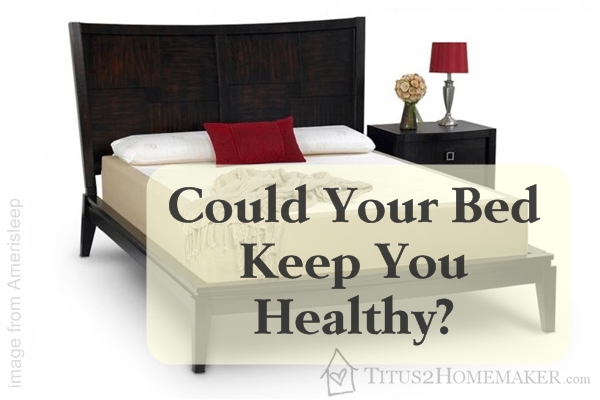
We all know that too little sleep has negative results. We feel grumpy, we have trouble focusing, and our attention may lapse at inopportune times. (This can get quite dangerous, with drowsy driving causing an estimated 1550 highway deaths per year here in the U.S. (1)) What you might not know is that lack of sleep can negatively affect your overall health.
Sleep and Insulin Resistance/Diabetes
A recent study shows a correlation between insulin resistance and amount of sleep. Those participants who got the least sleep were the most insulin-resistant. (2) Insulin resistance is a precursor to diabetes. (In practical terms, this means that lack of sleep can make it harder for your body to process carbs.)
Sleep and Hypertension
Some individuals with hypertension have been demonstrated to have improvements in blood pressure levels with even just one hour of additional sleep per night. (3) It has also been observed that those with sleep apnea who have Type 2 diabetes or hypertension have been found to improve when the apnea is treated. This suggests that the lack of sleep is a contributing factor in the hypertension (or diabetes). The bottom line? Sleeping enough may help keep your blood pressure regulated.
Sleep and Weight Maintenance
The body produces HgH (human growth hormone) during some of the deeper portions of the sleep cycle. It plays a role in the metabolism of fats (4), so it may help maintain a normal weight. It also plays a number of other roles, including basic homeostasis (that is, everything within the body staying in balance) (4).
Sleep and the Immune System
Some studies show that lack of sleep increases inflammation, and that those who get less sleep are more likely to contract the common cold. (5) This suggests that better sleep may have a positive impact on the immune system.
So What’s the Bed Got to Do with It?
If you’re not getting a good night’s sleep on a regular basis because the quality of your mattress, pillow, or bedding is insufficient, you may be putting yourself at higher risk for diabetes, hypertension, obesity, and general illness. “According to an Oklahoma State University study, a new mattress provided sleepers with significant improvements.” These included a 62% improvement in sleep quality and 55.3% improvement in back pain. (6) Who’d have thought that a new mattress could be a health investment?
Of course there are other factors, some controllable (like whether the sleeping environment is peaceful and whether you have a comfortable bedtime routine) and some out of our control or only partially controllable (like sleep apnea). But this is one controllable factor in a good night’s sleep, so be sure to give it the attention it deserves!
Do you get a good night’s sleep most nights?
1. http://www.nhtsa.gov/people/injury/drowsy_driving1/Drowsy.html#NCSDR/NHTSA
2. http://www.huffingtonpost.com/2012/10/03/sleep-insulin-resistance-teens_n_1929374.html
3. http://www.huffingtonpost.com/2012/12/10/sleep-blood-pressure-duration-bedtime-hypertension_n_2238135.html
4. http://en.wikipedia.org/wiki/Growth_hormone#Function
5. http://healthysleep.med.harvard.edu/need-sleep/whats-in-it-for-you/health
6. http://bettersleep.org/pdfs/BetterSleepGuide_English.pdf
Necessary disclaimer: I am not a medical professional; I’m a mom. I do not and cannot diagnose or treat any illness. These statements have not been evaluated by the FDA. The information provided here is for educational purposes only. As always, please apply it with your own common sense and due diligence.

Leave a Reply